

Austin Sensing, a startup developing integrated sensor arrays for drone and aircraft detection, has secured $11 million in seed funding led by Bow Capital. The round brings the Austin-based company's total capital raised to $15 million since its founding, barely six months after it shipped its first commercial product—a tripod-mounted RF detection unit.
The financing, which included Bling Capital, Draper Associates, Mark VC, GTMfund and Ensemble VC, arrives at a moment when airspace security has shifted from niche defense concern to urgent public safety priority. Austin Sensing has moved quickly: the company says it's deployed hardware to more than 40 customers, including police departments, fire agencies, military units, university campuses and professional sports stadiums.
Tucker Dordevic, the company's co-founder and CEO, comes to the defense tech world by an unconventional route. Named Premier Lacrosse League Rookie of the Year in 2023, Dordevic spent time as an aerospace and defense investment banker before co-founding Austin Sensing. His technical counterpart, Isaac Duke, previously engineered systems at Saronic, the autonomous naval vessel startup. Scott Olrich, a software executive, chairs the board.
"We're vertically integrating our entire stack—we build the software, we build the hardware," Duke said in a recent interview.
That stack, which the company markets as its "Sensing Stack," weaves together five detection technologies: radar, passive radio frequency sensors, acoustic monitoring, Remote ID receivers and ADS-B transponder tracking. The RF sensor alone covers 28 square miles from a single installation point. Radar coverage extends to three kilometers for both manned and unmanned aircraft, though the company's own website notes the radar unit has not yet secured FCC authorization.
The acoustic component uses AI-driven classification to identify aircraft types in under a second. All three primary sensing modes converge in the Tower AS unit, a deployable package with edge computing that processes and filters data locally. If network connectivity fails, the tower continues operating autonomously.
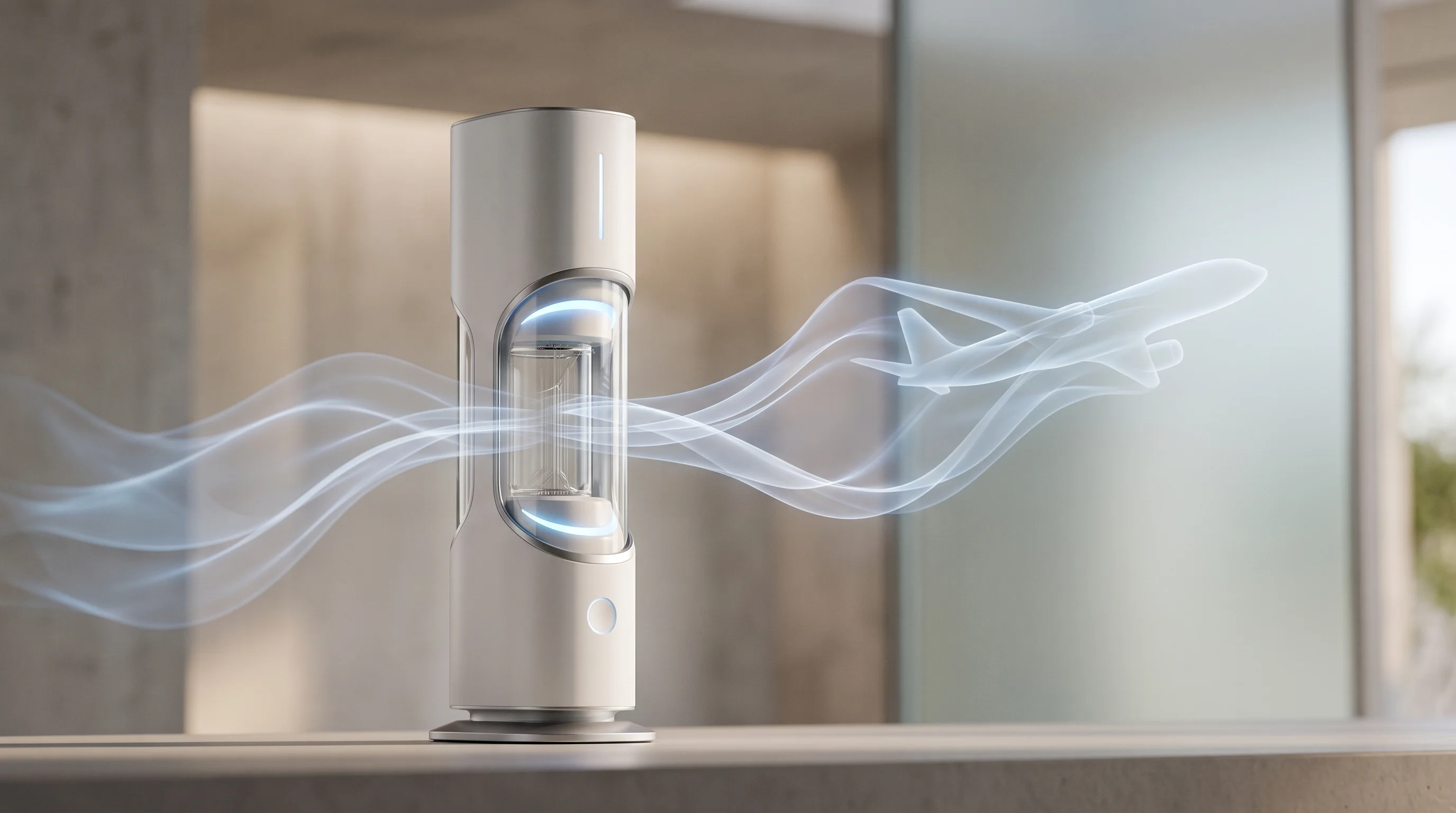
Among the named customers is Oregon's Department of Forestry, which uses Austin Sensing's platform to monitor wildfire zones. "Now we can take a proactive approach, with confidence that the airspace is being monitored," said Cole Lindsay, the agency's aviation coordinator. Florida's St. Lucie County Sheriff's Office has deployed the system for drone deconfliction during operations. Joe Bell, a deputy and SWAT tech team leader, described it in one word: "amazing." Nearby Martin County's sheriff's office called the platform an "eye in the sky" delivering real-time tactical intelligence, according to master deputy Erick Day.
The company has designed its software for intended integration with defense data platforms including Anduril's Lattice and Palantir's Maven, though formal partnership announcements have not materialized.
Austin Sensing enters a counter-drone market that has grown crowded and well-capitalized. Industry analyst Unmanned Airspace projects global counter-UAS spending will hit $12.6 billion in 2026. MarketsandMarkets forecasts the sector expanding from $9.17 billion that year to $29.7 billion by 2031—projections that, if accurate, suggest the money is already flowing.
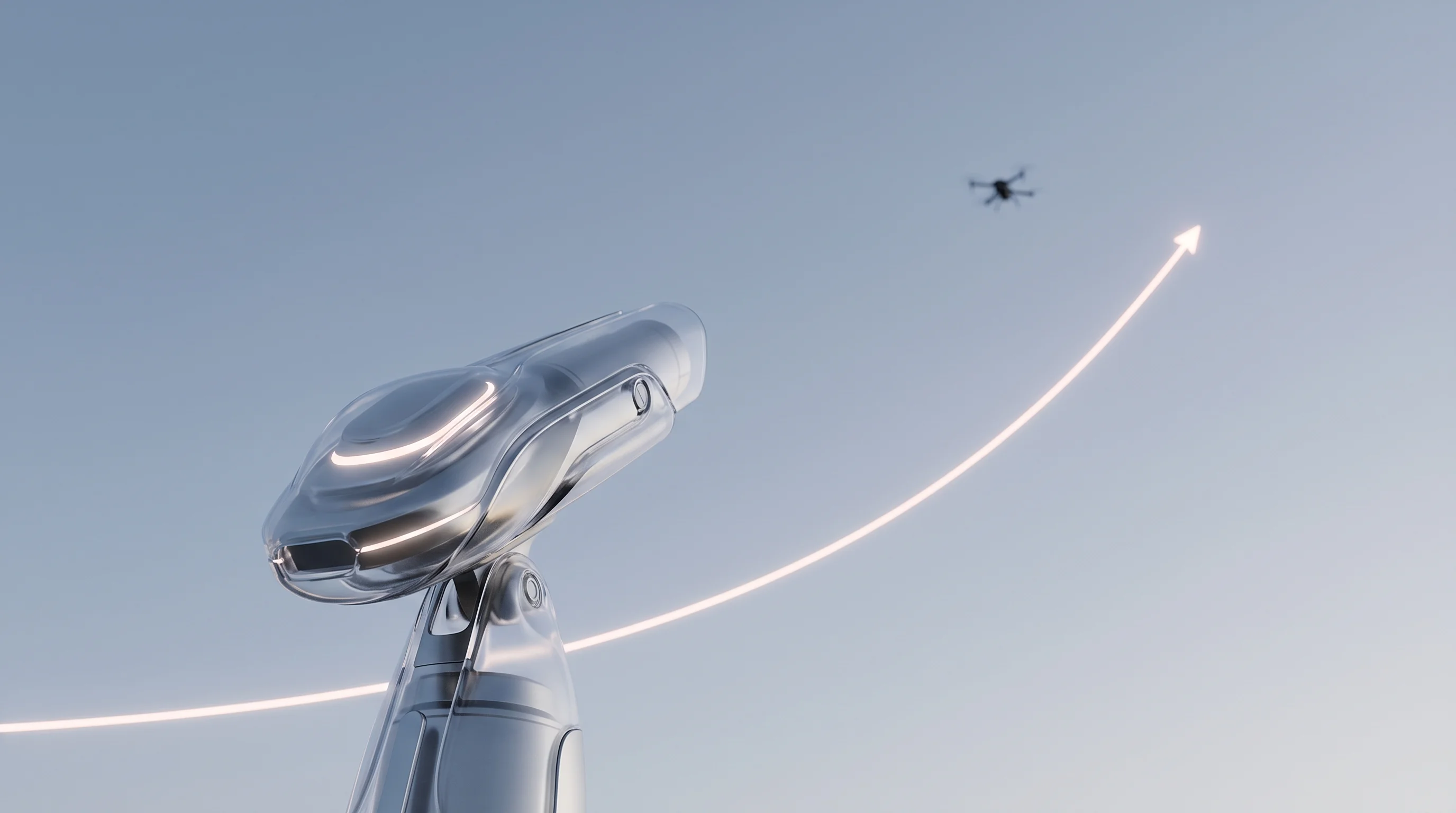
Fortem Technologies pulled in a $50 million Series B led by Lockheed Martin last September. Hidden Level closed a $65 million Series C earlier this year. Echodyne sells metamaterials-based radar for airspace monitoring. And CHAOS Industries, valued north of $4 billion according to Axios, raised $510 million last November.
The U.S. Army has been working to standardize procurement frameworks for counter-drone systems, presenting common standards at the AUSA conference in October. That kind of institutional clarity tends to accelerate venture interest.
Austin Sensing plans to deploy the seed capital toward expanding its 20,000-square-foot manufacturing facility in Austin and adding headcount across engineering, production, sales and operations. The company currently ships its RF detection hardware commercially and is running live field tests on radar and acoustic sensors.

The startup initially raised $3.5 million in a pre-seed round last fall under the name Oureon Technologies, led by GTMfund with participation from Boost VC, Bravo Victor Venture Capital, Ensemble VC, Flyover Capital, JHH VC and TipTop VC. Somewhere between then and now, it rebranded.
Duke frames the company's mission in terms of infrastructure rather than weaponry. The goal, he says, is to "enable all these counter-UAS platforms to be more effective and give operators greater awareness of the airspace." In a landscape where drones have become tools for everything from wildfire suppression to terrorism, awareness has become the first line of defense.


