

Helios Intelligence, a Boston startup of five people as of Oct. 31, 2026, in Y Combinator's Fall 2026 batch, says it is building an at-home blood test that measures more than 1,000 biomarkers from a single drop. The company has not disclosed pricing or a launch date.
The test is meant as the entry point to something larger: a "living model" of each user's body. Helios describes its aim as an effort to "simulate all of human health."
What the test is supposed to do
The About page on heliosinc.ai says the process "starts with a single drop of blood, collected at home." The company says it reads that sample "across more than 1,000 biomarkers and build[s] it into a living model of your body."
A Y Combinator jobs listing goes further, calling the product "an at-home molecular body scan that measures more than 1,000 biomarkers from a single drop of blood." Elsewhere, Helios bills it as the "highest-resolution at-home diagnostic."
None of this can be bought yet. As of Oct. 31, 2026, the product site, myhelios.com, carried only a waitlist form, with no price, shipping date or ordering flow. The Careers page lists the "Helios Test" as "coming soon."
The model behind the test
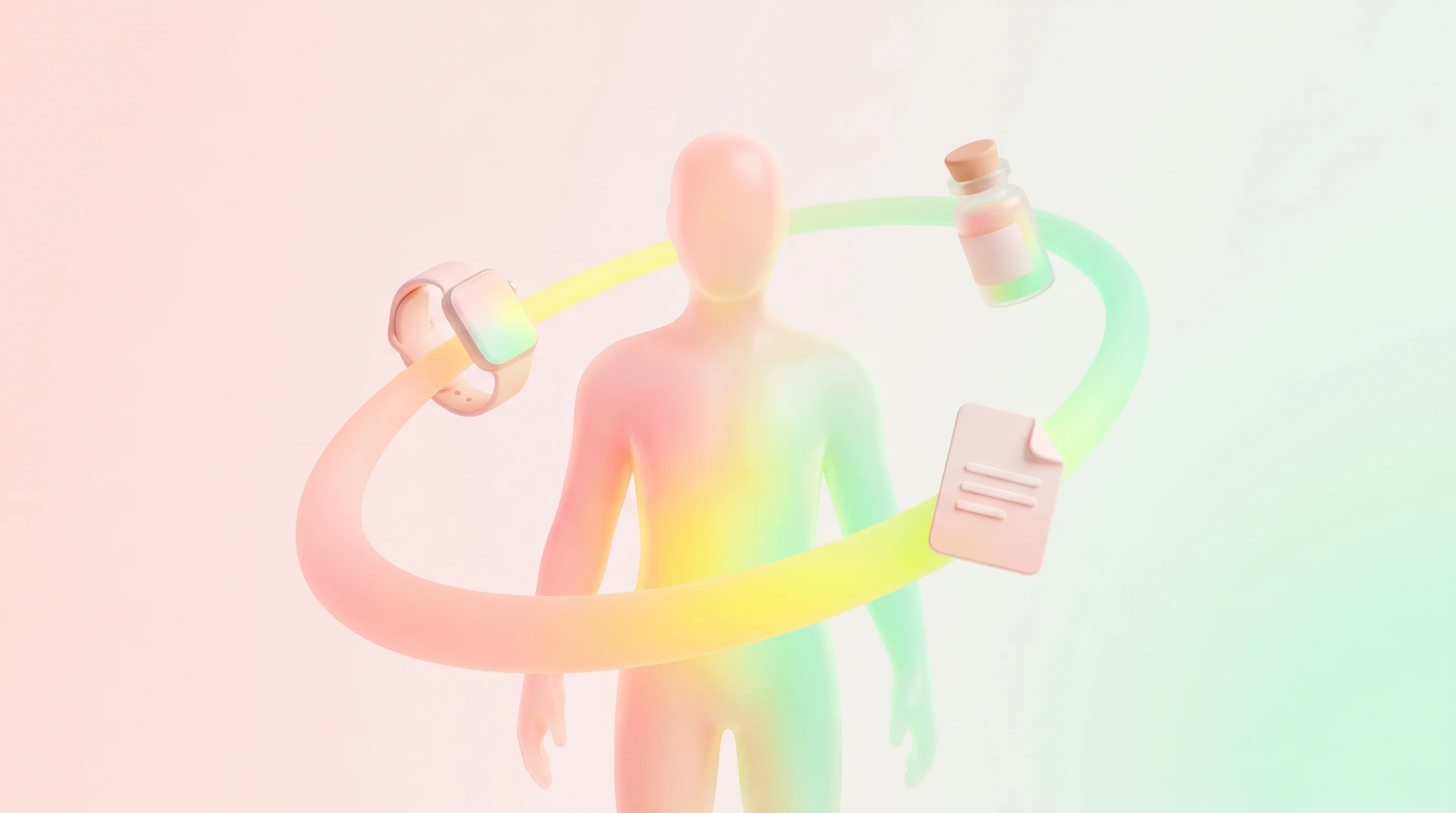
The longer-term plan appears in a Founding Engineer job post. Helios says it intends to combine repeated test results with data from wearables, lab work and health records to train what it calls the Helios Foundation Model, which the post says "simulates physiology, predicts disease risk" and will "design interventions."
The same listing sketches a platform covering "ordering, kit shipping and tracking, sample return, lab results, clinician review, and the release of results." It mentions large language model agents that would draft report language, and a plan to add "our own genomic and metabolomic assays later." On security, the post says Helios will "operate at HIPAA-grade requirements."
Founders and funding
Y Combinator lists Omar Abudayyeh and Jonathan Gootenberg as founders. Company copy refers to "three Harvard Medical School physician-scientist founders," but as of Oct. 31 the third had not been named on public pages.
A 2024 Boston Globe profile described Abudayyeh and Gootenberg as CRISPR tool and diagnostics researchers who previously co-founded companies including Sherlock Biosciences, Proof Diagnostics and Tome Biosciences. An April 2026 program guide from the Boston Society of Gene & Cell Therapy says Abudayyeh's lab explores AI foundation models for biology, along with multimodal models for predicting aging and health outcomes.
According to Y Combinator, Helios was founded in 2025. The About page says its seed round is backed by Y Combinator and Formation, plus angel investors across medicine, AI and consumer technology. The size and close date of the round are not public. Y Combinator lists Demo Day for the F26 batch as Dec. 2, 2026.
What Helios has not said

Public materials omit key details. The company has not disclosed its biomarker list, the measurement technology, the collection hardware or the specimen type. It has not named a CLIA- or CAP-certified lab partner, nor said whether the test will be a lab-developed test or seek FDA authorization. A search for independent launch coverage or reviews turned up none.
Regulation will matter here. The FDA's May 6, 2024 final rule (89 FR 37286) clarified that in vitro diagnostics, including lab-developed tests, are devices subject to FDA oversight, and it set out phase-out and enforcement policies.
How the competition compares
Biomarker count is the clearest yardstick. InsideTracker's "Ultimate" test covers up to roughly 54 biomarkers, with bundles starting at $489 for the first year including membership, according to price roundups from LindyHealth and Home Blood Test Guide. Whoop's lab-draw integration, reported by TechRadar in April 2026, offers up to 59 biomarkers at $299 per panel. Everlywell's 360 membership lists 83-plus.
Others are closer to Helios's claimed scale. Generation Lab says its SystemAge 2.1 measures 460-plus biomarkers across 21 organ systems using an at-home draw. VO Health, which uses Nomic's Omni 1000 platform, says it measures more than 1,000 proteins from a small blood sample. Dayhoff Health lists a multi-omic home kit as coming in the fourth quarter of 2026.
The "living model" idea is not unique, either. BGI Genomics announced a "Digital Life Twin" framework in September 2026.
A consumer product already on the market
Helios does have one product in the market. A LinkedIn job listing from around August 2026 names Roon, a nicotine-free focus pouch brand, as the company's first consumer product and says it is "launched and selling."
The company is also hiring. The Founding Engineer role was open on the Careers page as of Oct. 31, while the Brand Designer and Founding Growth Strategist roles were marked "Filled."


