

Atomarine, a Y Combinator-backed startup building floating AI data centers, has described plans for standardized offshore compute barges, which it plans to power with gas at first and nuclear later. Public sources reviewed for this article do not confirm a funding round or its size.
That sequencing is the pitch. Atomarine argues that compute can come online without waiting on land, grid connections or permitting, the slow and often contested steps that have held up data center projects onshore.
What Atomarine is building
According to its website and Y Combinator company profile, Atomarine's plan centers on standardized barges that house AI computing equipment offshore. Gas comes first. Nuclear is described as a later addition.
Much about the company's financing remains unverified. Details such as how any funding was divided among investors and the valuation are not confirmed in the sources reviewed, and no public deployment date appears on the company's website or YC profile as of November 7, 2026. Other firms, including Machine Spirit and Soma Capital, have publicly referenced Atomarine.
The founder and early traction
Dimitris Koutentakis is the company's founder. His original X post is available at its recovered permalink, which carries the publication timestamp, and a reproduction of it also circulated through hiringfeed, which listed open engineering roles.
Koutentakis also spoke with the Series Z newsletter on August 17, 2026, and Forbes included Atomarine in a September 3, 2026 roundup of Y Combinator startups, updated the next day.
The most eye-catching figure came from TechCrunch, which reported on September 13, 2026, after Y Combinator's latest demo day, that Atomarine claimed more than $4 billion in letters of intent from customers. Those are the company's own claims. Letters of intent are expressions of interest, not signed contracts, and they do not represent realized revenue.
The competition
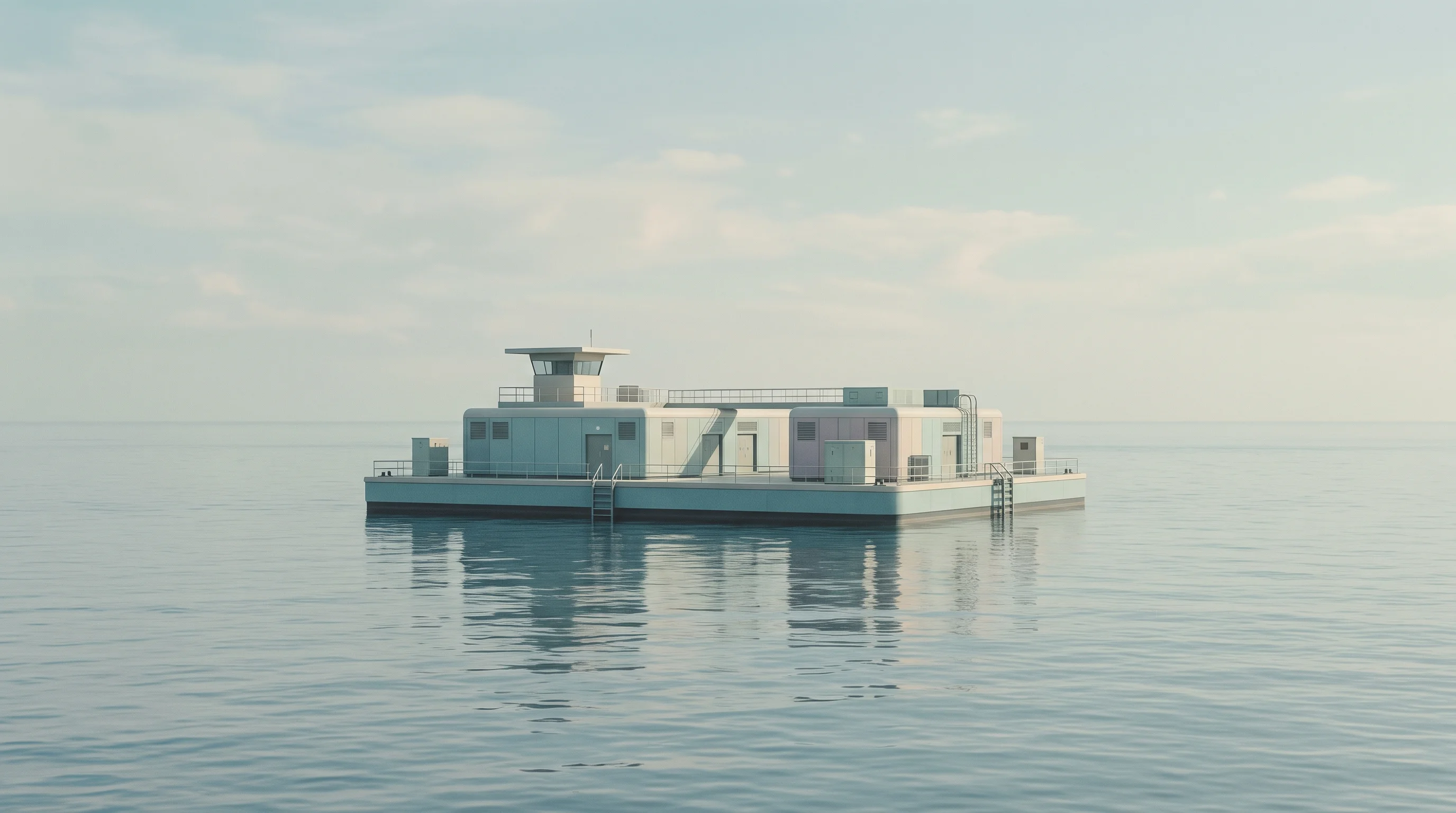
Atomarine is not the only company eyeing the water. Data Center Dynamics reported that Seatrium has planned a 30 MW offshore data center pilot. Bureau Veritas, the classification society, granted approval in principle to Seatrium's 30 MW floating data center concept, according to its newsroom.
By its own account, Atomarine sets itself apart through the standardized barge design and the planned move to nuclear power.
What comes next
The roadmap runs from gas-powered barges to nuclear, but no public timeline for either stage appears on Atomarine's website or YC profile as of November 7, 2026. In the meantime, the more than $4 billion in interest TechCrunch reported is Atomarine's own claim of letters of intent, which are not signed contracts or realized revenue.


