

HUROTICS, a Seoul-based medical robotics startup, announced October 15 it closed a KRW 25 billion ($18.6 million) Series A round led by Atinum Investment, bringing its total funding to more than KRW 33.5 billion, according to StartupN. What makes this round notable isn't just the size but the participant list: Daewoong Pharmaceutical, Naver, and Lotte joined as strategic investors alongside existing backers Stonebridge Ventures, IBK, Aju IB Investment, and Wonik Investment Partners, with Mirae Asset Venture Investment also coming aboard.
The strategic additions signal a pivot. Until now, HUROTICS has sold its soft exosuits exclusively through Korean hospitals. Daewoong brings pharmaceutical distribution networks. Naver offers technology infrastructure and consumer reach. Lotte controls retail channels across Asia. Together, they represent pathways outside the clinical corridor.
Walking Assistance, Cable-Driven
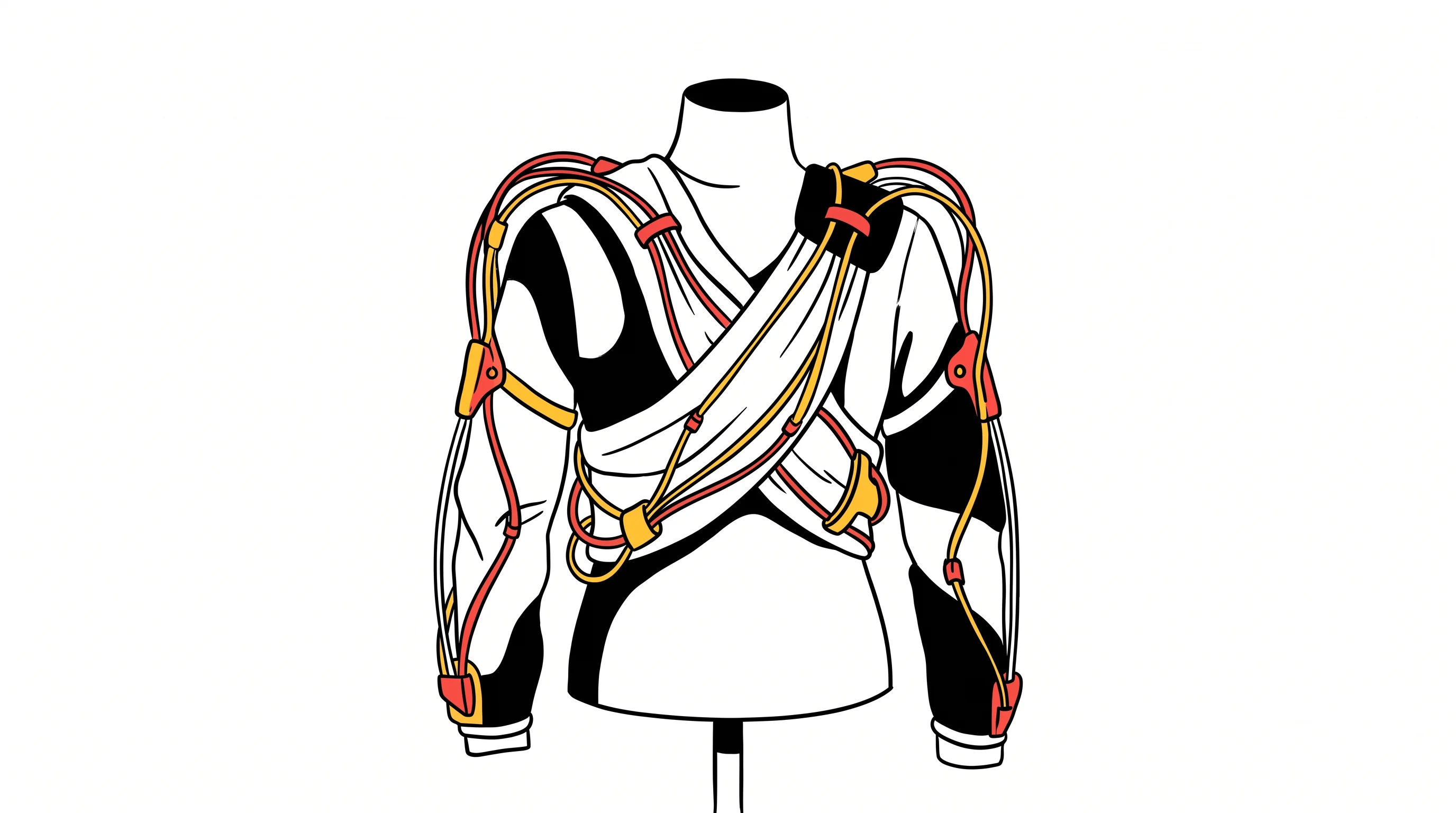
The company's flagship product, H-Medi, weighs 4.5 kilograms and wraps around a patient's legs and torso like a second skin. Cable-driven actuators respond to real-time gait sensors, delivering up to 220 newtons of assistive force during the stance and swing phases of walking. Korea classifies it as a Class II medical device. The specifications are precise, but the application is straightforward: helping stroke survivors and orthopedic patients relearn to walk.
H-Medi has been deployed at Severance Hospital, Chung-Ang University Hospital, and Korea University Hospital for inpatient rehabilitation during 2025 and 2026, StartupN reported. The company has also placed units at the University of Illinois Chicago for stroke rehabilitation research and physical therapy training, according to MoneyToday, though the exact timing of that deployment remains unclear.
Consumer Ambitions

The fresh capital will fund overseas regulatory approvals and distribution expansion for H-Medi, according to Dealroom News. More intriguing is what comes next: H-Care, a lighter daily walking-assist robot designed for consumer use outside hospitals. The company has not committed to a launch timeline. Perhaps that hesitation is warranted. Medical device makers often stumble when jumping from clinical to consumer markets, where regulatory hurdles give way to messier challenges like user adoption, retail partnerships, and price sensitivity.
Academic Roots, Industrial Muscle
CEO Giuk Lee holds an associate professorship in mechanical engineering at Chung-Ang University. Before that, he spent time at Harvard's Wyss Institute working on soft exosuit research under DARPA's Warrior Web program. His academic work on cable-driven soft exosuits appeared in Science in 2019, the kind of publication that opens doors in both funding circles and hospital procurement offices.
HUROTICS brought on Seunghoon Han as CTO in September, according to the company. Han previously held a vice president role at Samsung Electronics' Digital Appliances division and led robotics and AI research at Hyundai Motor Group's Innovation Center in Singapore. The hire suggests the company is preparing for manufacturing scale and systems integration challenges that go beyond prototype labs.
The startup now employs about 47 people. Roughly 45 percent hold master's or doctoral degrees, StartupN reported—a figure that reflects both the technical complexity of soft robotics and the company's academic origins.
Crowded Field, Fast Growth

The wearable robotic exoskeleton market reached $3.52 billion in 2026, with medical rehabilitation representing the largest segment, according to Fortune Business Insights. Projected compound annual growth sits at 43.7 percent through 2034. Those numbers attract capital and competition in equal measure.
Lifeward, formerly ReWalk Robotics, makes powered exoskeletons for spinal cord injury patients. Ekso Bionics, based in California, sells rehabilitation robotics to hospitals. France's Wandercraft raised $75 million in a Series D round in mid-2025 to scale its Atalante X rehab robot and develop Eve, a personal mobility exoskeleton. Closer to home, Angel Robotics launched a brain-linked wearable exoskeleton program, according to Seoul Economic Daily.
HUROTICS previously raised KRW 3.5 billion in a pre-Series A round in May 2024 from Aju IB Investment, Wonik Investment Partners, and Korea Credit Guarantee Fund, MoneyToday reported. A KRW 5 billion bridge round followed in July 2025, led by Doosan Investment.
The strategic investors in this latest round suggest HUROTICS sees a path from hospital rehabilitation wards to broader consumer adoption. Whether that path proves navigable depends on regulatory clearances, manufacturing scale, and convincing consumers that a 4.5-kilogram robotic exosuit belongs in their daily routine. For now, the company has the capital and the channels to find out.


