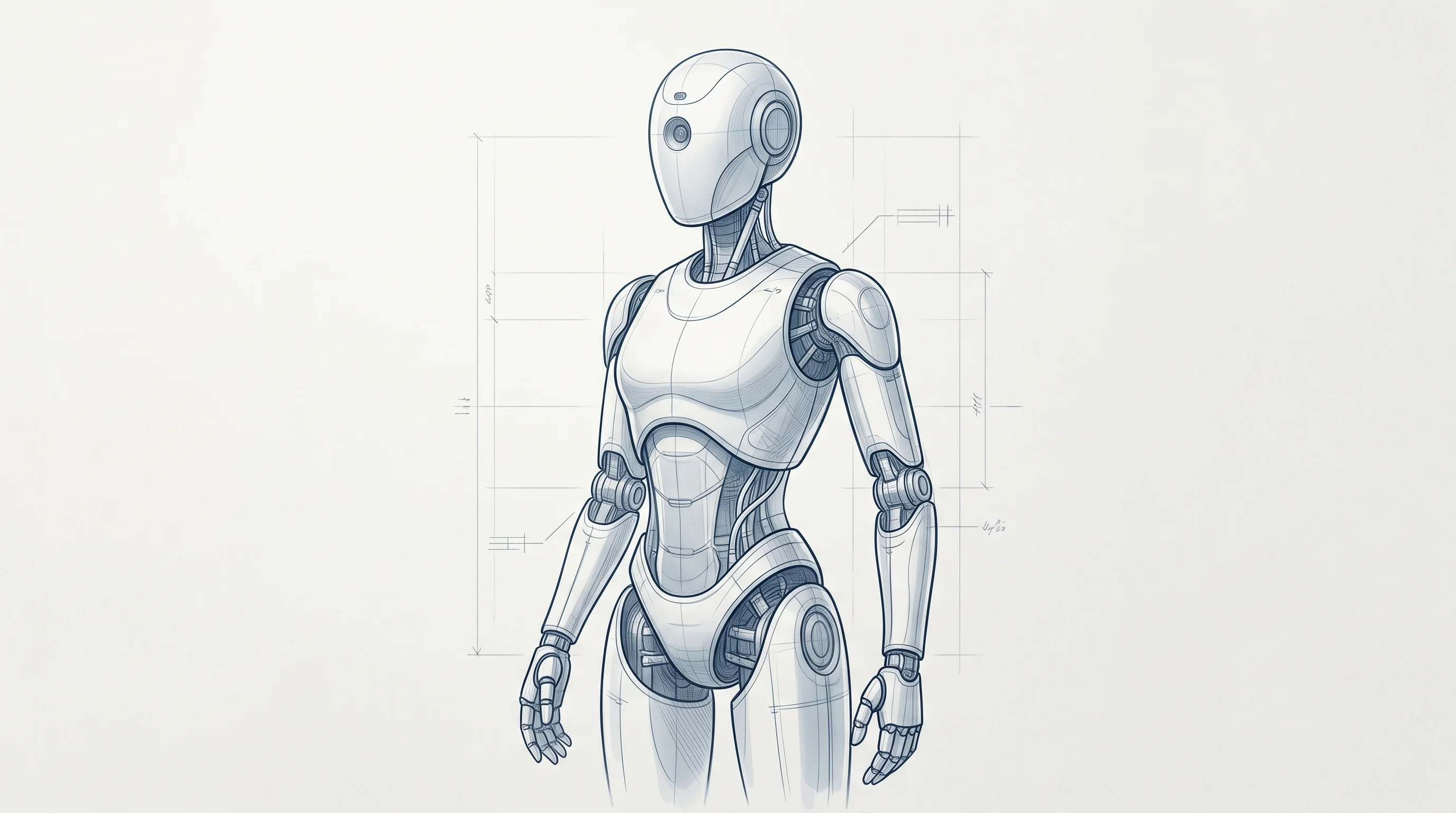
A year-old robotics startup in Irvine has closed a $3 million seed round to commercialize software it claims will work on any robot, regardless of whether that machine walks on two legs, four, or rolls on wheels.
RobotX AI announced the funding Tuesday but declined to name its backers, an increasingly common stance among early-stage companies wary of signaling relationships before products prove themselves in the field. The capital will fund research, hiring, and what the company calls commercial deployment of Xmind, its hardware-agnostic control system.
The timing isn't accidental. RobotX positioned the announcement ahead of TechCrunch Disrupt, the San Francisco conference where it's listed among participants. That affiliation offers visibility the young company might struggle to generate on its own, given it lists just nine people on its team page.
A Brain for Any Body
Xmind is what robotics researchers call a foundation model. It ingests teleoperation data, records of human demonstrations, simulated scenarios, and real-world deployment logs to generate perception and motion control commands that theoretically transfer across different hardware platforms.
RobotX frames this as "one brain that drives every body," though the company's public demonstrations so far have centered on familiar tasks: picking up tools, manipulation exercises with robotic hands, autonomous navigation through spaces. Nothing particularly exotic, but then again, getting robots to reliably perform mundane physical work remains harder than the hype suggests.
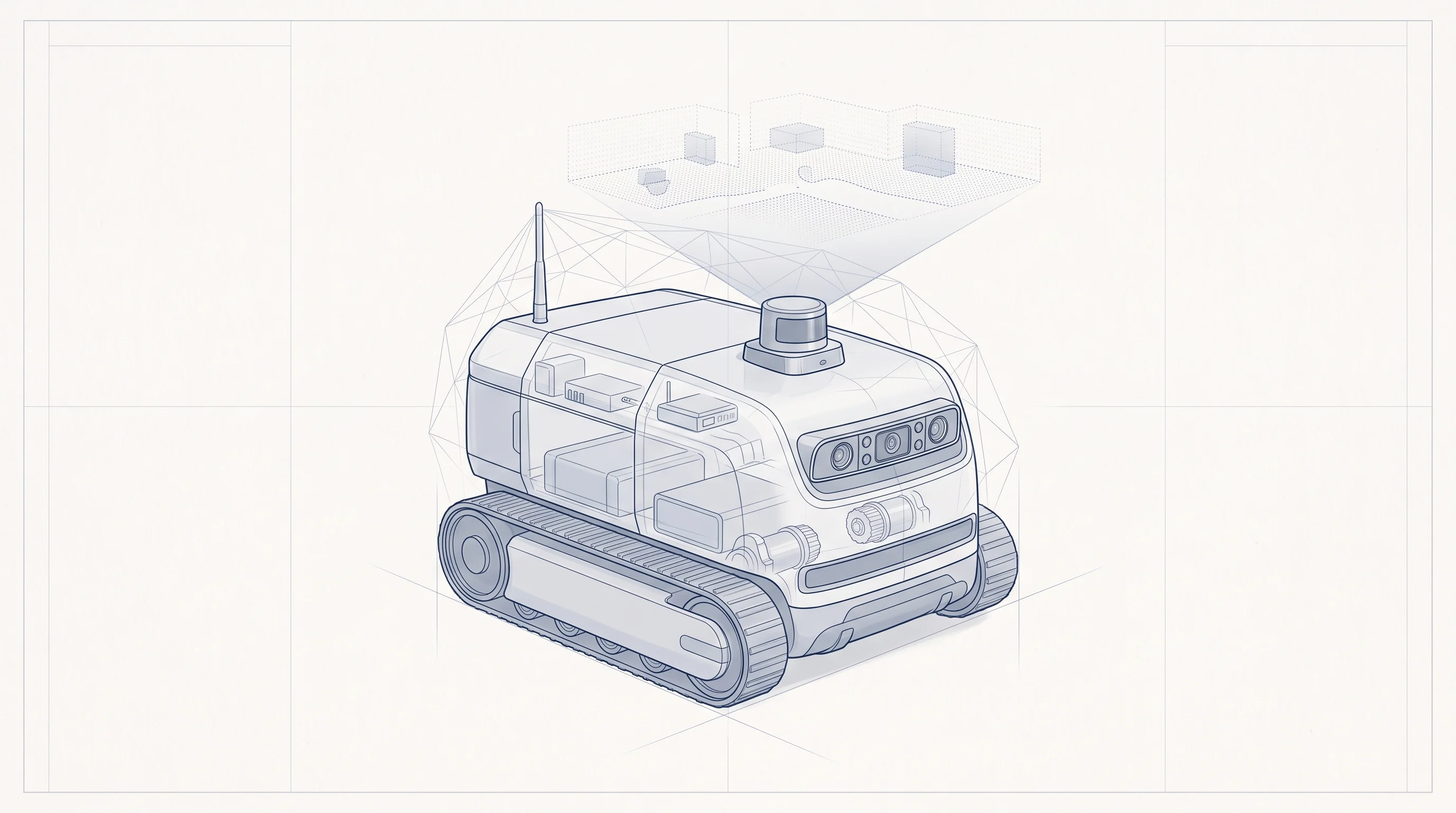
The startup is betting on three customer segments. Federal and defense buyers get GPS-denied navigation, live 3D mapping, and mesh networking across multiple robots outfitted with cameras, LiDAR, thermal imaging, and radiological or chemical sensors. Industrial clients receive autonomous patrol and inspection tools with routing algorithms designed to avoid high-risk zones, plus integration for pressure, temperature, gas, and vibration monitoring hardware. The education package bundles lesson plans with modular robots running on NVIDIA Orin chips.
Testing in Almond Groves and Shipping Yards
RobotX logged two early pilots this year, though details remain sparse. Shiplink, a logistics operator, deployed inspection robots in a yard setting in March, according to a company post. An almond-orchard trial followed in April using a Unitree B1 quadruped, the kind of application farmers have contemplated for years without widespread adoption.
The company says it has orders from UCLA and Scale AI, the data-labeling firm that recently pushed deeper into robotics training, though neither organization has publicly confirmed those arrangements—a gap that might reflect standard procurement confidentiality or simply nascent relationships not yet formalized.
RobotX also points to ties with Unitree, the Chinese hardware maker whose relatively affordable quadrupeds and humanoids have become fixtures in university labs. Whether that constitutes a partnership or simply means RobotX is a customer buying off-the-shelf platforms wasn't clarified. The startup joined NVIDIA's Inception program on May 15, which offers early-stage companies access to cloud credits and technical resources but doesn't imply investment or formal endorsement.
Crowded Territory, Uncertain Differentiation
The robotics foundation model category attracted substantial venture capital last year and this year, according to Stanford's AI Index report. Figure AI raised hundreds of millions to build humanoid workers for warehouses. Tesla showcased Optimus prototypes it claims will eventually handle household chores. Boston Dynamics continues refining Atlas, though mostly for research rather than commerce. 1X Technologies is pursuing home environments with a bipedal design meant to navigate spaces built for humans.
Most of those efforts, however, remain tightly coupled to specific hardware. Unitree ships proprietary software with its chassis. Tesla isn't licensing its control stack. That leaves an opening for a truly platform-agnostic system, assuming one can actually work as advertised across wildly different mechanical configurations and use cases.
Founded last year by scientists from UC Irvine, UCLA, and Yale, RobotX operates an Irvine office and runs an e-commerce site, RobotXShop, selling robots and accessories. The startup's website lists a $5 million figure with no date attached, which conflicts with Tuesday's press release confirming $3 million in closed capital as of October 8. The company didn't immediately respond to a request to clarify the discrepancy. It's possible the larger figure represents a target rather than closed capital, or that the numbers reflect different tranches. Either way, the inconsistency muddles the story RobotX is trying to tell at a moment when clarity might help.