

A two-person startup emerging from Y Combinator wants to replace the human hands that perform oil changes and tire rotations at fleet maintenance facilities. Rodeo Robotics has built what it calls a "robotic technician" designed to automate routine vehicle servicing at centralized depots where rental cars, delivery vans, and municipal trucks come in for scheduled maintenance.
The San Francisco company enters a U.S. vehicle maintenance market, though the $600 billion market size it claims appears to encompass far more than the fleet depot work Rodeo actually targets. What seems less debatable: the automotive service industry faces a severe technician shortage. Tens of thousands of positions remain unfilled across the sector.
Founders Michael Hazard and Colby Duke spent years at Applied Intuition, the autonomous vehicle software company that counts Toyota and GM among its clients. Hazard, who holds a computer science degree from Stanford and worked as a product manager at Google, spent four years there. Duke led the company's neural simulation team. They're now applying that autonomy expertise to a decidedly unglamorous problem.
Their robot handles the tedious checklist work that occupies much of a technician's day. Engine oil, coolant, brake fluid, transmission fluid. Tire pressure and tread depth. Battery voltage and fault code scans. The system follows what Rodeo describes as an inspect-diagnose-service-verify sequence, calling in human technicians when it encounters something beyond routine maintenance.
"Rodeo works alongside technicians to complete inspections, diagnostics, and services so vehicles spend more time working and less time waiting," the company states on its website. That phrasing suggests the startup sees its technology as augmentation rather than wholesale replacement, though the economics of fleet maintenance may tell a different story over time.
The labor math certainly works in Rodeo's favor. The National Automobile Dealers Association has said the industry needs to replace roughly 76,000 technicians annually. Heavy-duty repair shops operate 54 percent understaffed, according to Fullbay's 2026 Heavy-Duty Repair Report. A September 2026 report from the AED Foundation pegged the agriculture and construction dealer shortfall at about 10,000 diesel technicians per year, with an estimated $7 billion in lost shop and parts revenue as a consequence.
Fleet managers feel the pinch acutely. Motive, which sells fleet management software, reported in September 2026 that 80 percent of fleet professionals cite rising maintenance and repair costs as their top operational challenge.
Rodeo faces competition, though much of it stops short of actually performing physical work. UVeye has expanded its AI-powered inspection platform into heavy-duty trucking. Hunter Engineering sells Quick Check Drive, an automated system that evaluates alignment and tire condition in seconds. Both document what they find. Neither changes the oil or rotates the tires.
RoboTire built a system specifically for automating tire changes, though a 2020 TechCrunch report noted the equipment then carried a price tag around $250,000. Whether fleets will pay similar sums for oil-change automation remains an open question.
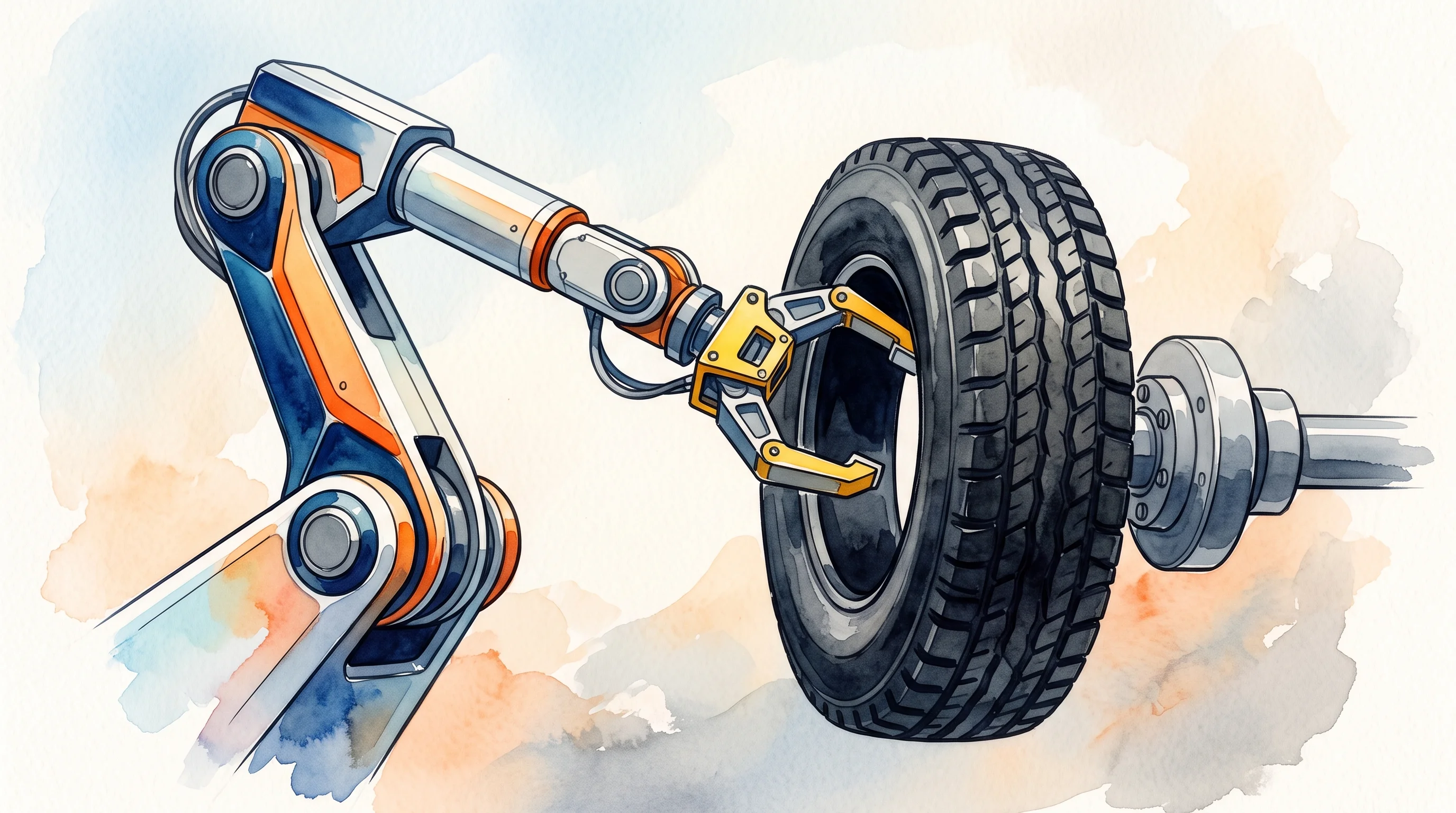
Rodeo's approach combines teleoperation with instrumented hand tools that record how human technicians perform each task. That data trains the system, with human oversight ensuring accuracy as the robot gradually takes on more of each job. The company integrates with existing fleet management software, ingesting work orders and vehicle data while sending back structured reports. Fleets keep their current systems as the authoritative record.
The startup has not disclosed pricing, identified pilot customers, or shared deployment timelines. For now, Rodeo remains in that familiar startup phase where the technology exists but the business model is still taking shape. Whether fleet operators will embrace robotic technicians depends on variables the founders can't entirely control: equipment reliability, cost per service, and perhaps most critically, how human technicians respond to mechanical colleagues that never call in sick or ask for overtime.
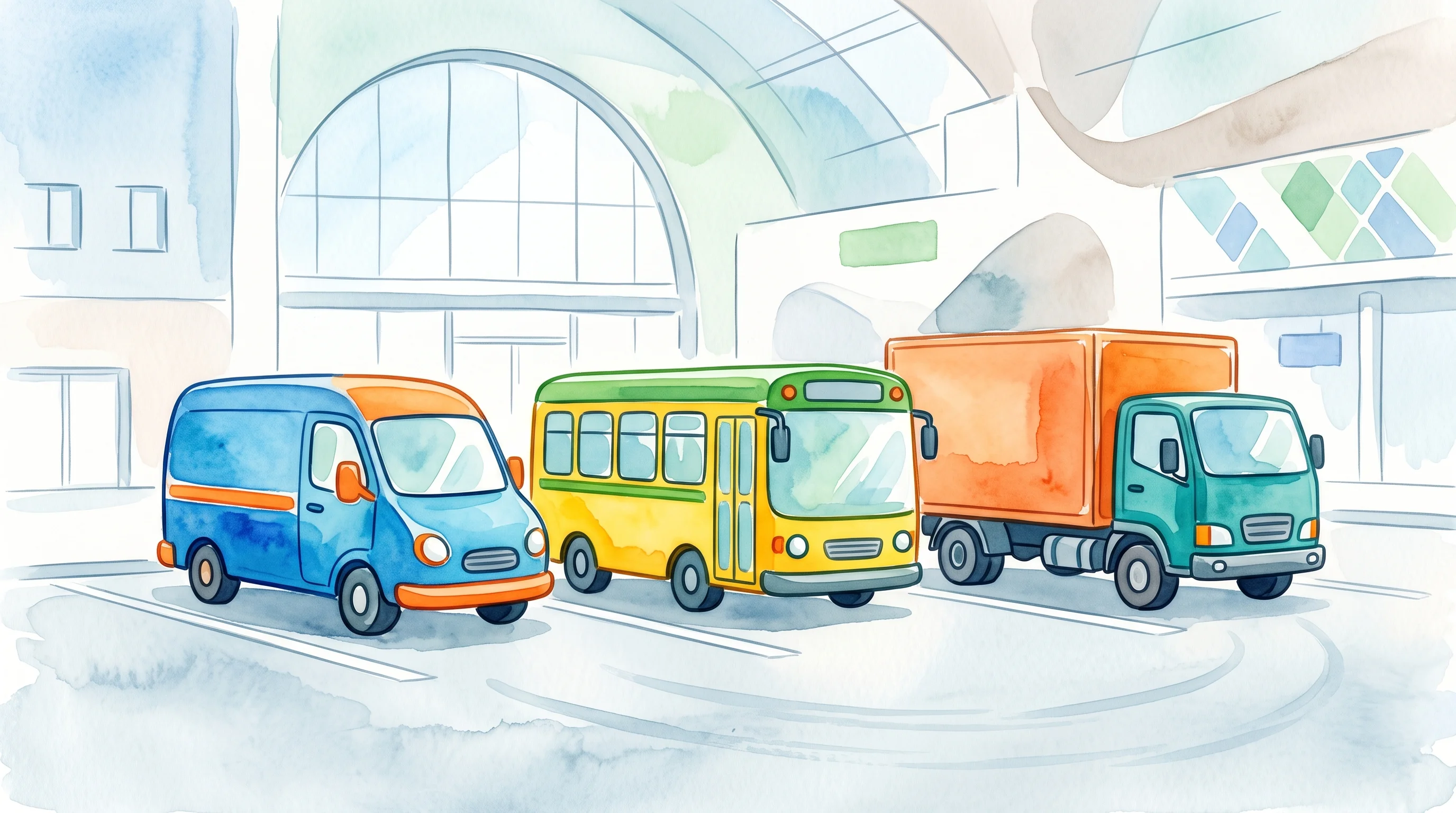
The company targets centralized fleets across rental agencies, delivery networks, trucking operations, transit systems, municipal garages, waste management, and field service providers. These are the fleets large enough to justify dedicated maintenance facilities and predictable enough in their service intervals that automation starts to make economic sense.
Hazard and Duke are betting that the technician shortage won't resolve itself anytime soon, and that fleet operators would rather invest in robots than continue struggling to staff their bays. The strategy feels less like disruption and more like pragmatic response to a labor market that has been sending the same signal for years.


